
Introduction: Timeless Durability
Ceramic tile is one of the oldest and most durable flooring materials in existence, highly valued for its resistance to water, scratches, and wear. It offers a clean, non-porous surface that is perfect for areas of the home that require frequent cleaning and must withstand high levels of moisture. However, ceramic tile is not suitable for every room.
Understanding its core strengths—and its primary drawbacks—is key to determining when ceramic tile is the definitive best choice for your project.
1. Ceramic Tile vs. Porcelain Tile
When discussing tile for flooring, it is important to distinguish between the two main types, both made from fired clay:
- Ceramic Tile: Fired at lower temperatures and is slightly more porous than porcelain (absorbing 3–7% water). It is typically easier to cut and less expensive. Best for: Walls and moderate-traffic indoor floors.
- Porcelain Tile: Fired at higher temperatures, making it denser and virtually impervious to water (absorbing less than 0.5% water). Best for: Wet rooms, outdoor use, and heavy commercial traffic due to its superior hardness.
2. When Ceramic Tile is the BEST Choice
Ceramic and porcelain tile excel in environments where other materials fail due to moisture or extreme wear.
| Location | Why Tile is Ideal | Key Durability Feature |
| Kitchens | Handles spills, steam, heat (near the stove), and heavy appliances without denting or warping. | Stain and Heat Resistance |
| Bathrooms/Showers | Impervious to water and humidity. Does not harbor mold or mildew. | Water Impermeability (especially Porcelain) |
| Mudrooms/Entryways | Resists wear from wet shoes, mud, salt, and abrasive grit tracked in from outside. | Scratch and Abrasion Resistance (measured by PEI rating) |
| Basements | Tiles are stable in concrete slab environments and resistant to low-level moisture vapor transmission. | Moisture Stability |
| Sunrooms/Outdoors | Porcelain tile resists UV fading and freeze-thaw cycles without cracking. | UV and Temperature Resistance |
3. The Downside: Hardness and Cold
Ceramic tile’s greatest strength is also its primary drawback in terms of comfort.
- Hardness: Tile is an unforgiving surface. Dropped items (dishes, glasses, cell phones) are highly likely to shatter. The hard surface can also be uncomfortable and taxing on feet and joints during long periods of standing (e.g., in front of a kitchen sink).
- Coldness: Tile has high thermal conductivity, meaning it rapidly draws heat away from your feet, making it feel very cold in the winter.
- Grout Maintenance: Grout is porous and susceptible to staining and mold growth. It requires periodic sealing and specialized cleaning to maintain its appearance and hygiene.
4. Design Considerations
- Slip Resistance: Always choose matte or textured tile (look for a high COF rating) for floors in wet areas. Polished tile becomes dangerously slippery when wet.
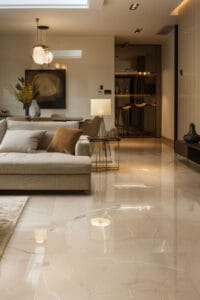
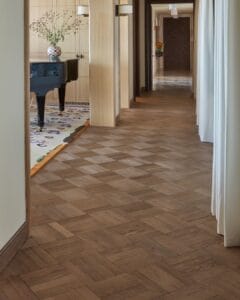
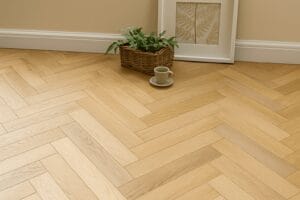
- Style: Tile offers unmatched versatility. You can find options that mimic high-end marble or rustic wood, giving you the aesthetic you desire with the functionality of a rock-hard surface.
- Comfort Solution: Off-set the coldness and hardness by installing radiant floor heating beneath the tile or by placing anti-fatigue mats in kitchen prep areas.
If your priority is durability, hygiene, and complete water resistance, ceramic or porcelain tile is the most logical and long-lasting choice for your home.